Introducing The Pug
Charming, sweet, and easy to love, the pug is a popular toy breed known for its signature smushed face and quirky personality. They are an ancient breed, originally bred as lapdogs of Chinese elites and made popular in Europe by English queens. Nowadays, they are known as an affectionate, spunky family dog!
History Of The Pug
The Chinese ancestor of the pug was called the Lo-Sze, and was the lap dog of Song Dynasty emperors around the 10th and 11th centuries. This ancient name refers to a short-legged, short-nosed, and short-haired dog, leading historians to agree that the name was used to differentiate between the Pug and the Pekingese (a very similar breed with long hair).
As the centuries progressed, the pug became popular with Buddhist monks and was eventually brought to Europe via the Silk Road by traders in the 16th century. It quickly became popular in European courts, most notably winning over the courts of the Netherlands and England. Queen Victoria of England in the 19th century was particularly fond of the smushed face dog, and many agree that her dogs influenced what we now know as the modern pug. The AKC recognized the pug in 1885, and the breed quickly became popular as family and show dogs in America.
What Does A Pug Look Like?
The pug is a stocky, muscular toy breed with short hair, a curly tail, and a signature short muzzle. The AKC recognizes silver or fawn apricot with a black mask and black as acceptable colors. However, you can find them in other colors, including brindle and white.
That smushed, wrinkled pug muzzle, which is the breed’s trademark, allows it to look more expressive, which is a huge part of its charm. Pugs and other breeds with short, flat facial structures are known as brachycephalic breeds. Its cousin, the Pekingese, is also brachycephalic, plus other popular breeds such as English Bulldog, French Bulldog, and Boston Terrier, and the bigger mastiff breeds like the Cane Corso. Don’t let their short noses and snorts fool you, brachycephalic breeds like pugs still love to sniff, explore, and have fun!
Pugalicious Personality
While you shouldn’t really anthropomorphize dogs, anyone with a pug in their family knows that these dogs truly have extreme personalities! They can be demanding little dogs with a real sense of humor that expresses itself in short bursts of playful energy followed by long naps.
Their loyalty and love of being with their human stems from being bred as companion and lap dogs, making them ideal family dogs. Most pugs would go anywhere with their human, from grabbing coffee to vacation! However, it does make them prone to separation anxiety, a condition where a dog becomes distressed and panicked when left alone. Crate training and socializing can help reduce symptoms and create a calm pug when they are with their favorite human or alone!
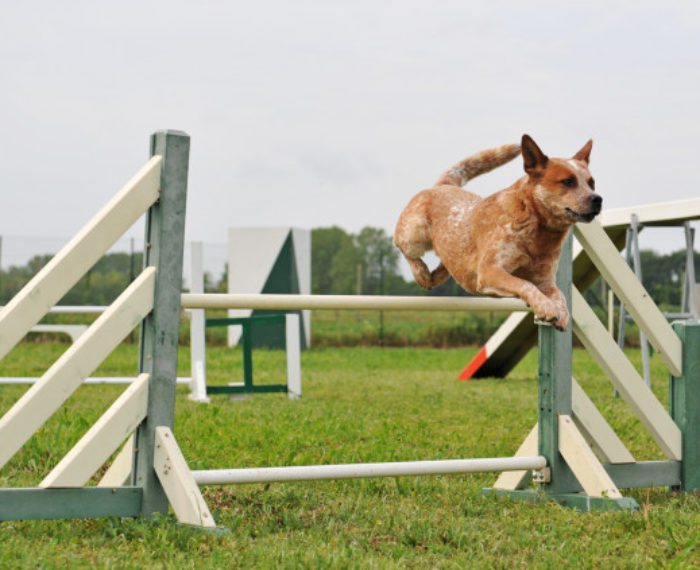
Finally, although they do cherish their naptime, pugs can be busy little creatures, especially when they are young! But don’t worry, it is not a busy breed like a border collie or heeler. They love enrichment, training, and going for walks, but they don’t necessarily need a job. That being said, many pugs are very successful as agility, rally, or trick dogs. They are very food-motivated, so will happily do anything for their people and cookies!
Training and Socializing Your Pug
All dogs, even toy breeds, require training and socialization. While pugs are a generally happy breed, a good trainer and proper socialization will help them gain confidence in the world and reduce the risk of common pug behavioral issues, such as separation anxiety. Luckily, they love humans and food and are very easy to train. They are sensitive little buggers, so they benefit from positive reinforcement training. Negativity will shut down their happy, playful spirit.
My family has a rescue pug who was very poorly socialized as a puppy. When she arrived, Bea was nervous around new people and loud noises. Not at all like a normal, outgoing pug. With a lot of patience, training, and careful socialization, she has emerged as a fun, spunky, and happy little girl who loves new people!
Pugs: Health Concerns
You cannot really do a deep dive into the pug breed without discussing health concerns. Centuries of breeding those short has resulted in the extreme health issues that almost all brachycephalic have. This includes breathing issues, heat sensitivity, and snoring. Some pugs have such severely shortened airways that they might require a stenotic nasal surgery. This nose job is a specialized surgery that opens up a dog’s nasal passages, making breathing much easier.
Furthermore, even though their short coat means minimal brushing and grooming, their wrinkled faces can lead to infections if not properly cleaned. I use cleaning wipes recommended by my veterinarian to keep our little pug’s face clean and fresh on a weekly basis.
Finally, as your pug gets older, establishing a good relationship with your vet is important to keep up on their care. Pugs are at risk for spinal issues, eye ulcers, dental problems, and ear infections. They are also prone to weight gain, so a healthy diet, regular exercise, and routine vet visits are essential to keeping that pep in your pug’s step!
Final Thoughts
The pug is a truly unique breed that combines centuries of history with an unmistakable personality. From their origins as cherished companions of Chinese royalty to their place in modern homes, pugs have remained devoted, affectionate, and endlessly entertaining. While their playful spirit and loving nature make them wonderful family pets, prospective owners should be mindful of their specific health and care needs, particularly those related to their brachycephalic structure.
With proper training, socialization, and regular veterinary care, pugs can thrive and bring immense joy to their families. Their expressive faces, loyal companionship, and humorous antics make them far more than just a cute face; they are devoted little dogs with big hearts. For those willing to meet their needs, the pug offers a lifetime of love, laughter, and unforgettable moments as a cherished member of the family.
Related Posts
October 22, 2021